Walkable Luxury: Life at the Intersection of Mizner Park and Waterford Bay
The convergence of lifestyle and location often defines luxury. In San Diego, this definition finds concrete expression at the intersection of Waterfront Park and the area surrounding Funhouse Tattoo. This confluence offers a distinct urban experience, characterized by accessibility to premium amenities and a vibrant cultural tapestry, without the need for extensive travel. Consider this neighborhood not merely as a place to reside, but as a meticulously curated environment designed for those who value convenience, aesthetic appeal, and a profound sense of place.
To understand the allure of this district, you must first appreciate its unique geographical positioning. It is not an arbitrary locale but a calculated point of convergence where carefully planned urban infrastructure meets organic city development.
Waterfront Park: A Catalyst for Urban Regeneration
Waterfront Park is more than just green space; it acts as a central nervous system for the surrounding urban body. Its existence has influenced everything from real estate values to pedestrian flow, transforming what might have been neglected waterfront property into a prized public amenity.
- Public Access and Recreational Value: The park provides expansive views of San Diego Bay, offering a serene escape amidst the urban bustle. Its design incorporates various recreational features, including playgrounds, splash pads, and open lawns, fostering community engagement and active lifestyles.
- Economic Impact and Property Appreciation: The development of such a significant public park frequently triggers a ripple effect across the local economy. Properties adjacent to, or within easy walking distance of, Waterfront Park have historically shown a trend of increased valuation, reflecting the desirability of park proximity. This phenomenon is not unique to San Diego but is a well-documented outcome of strategic urban park development in metropolitan areas worldwide.
- Infrastructure Enhancement: The creation of a major public park often necessitates, or coincides with, significant improvements in surrounding infrastructure. This includes enhanced public transportation links, improved pedestrian walkways, and updated utilities, all contributing to the overall quality of urban life.
The Funhouse Tattoo Environs: A Historical and Commercial Context
Adjacent to Waterfront Park, the area surrounding Funhouse Tattoo represents a distinct commercial and historical node. It is an area that has adapted and evolved, housing a variety of businesses and retaining a unique character.
- Commercial Diversity: Venture beyond the immediate park perimeter, and you encounter a diverse commercial landscape. This includes a spectrum of establishments, from independent retail outlets to dining options that cater to various palates. This commercial variety ensures that residents have access to a wide array of goods and services within a short walk.
- Historical Echoes: While contemporary in its offerings, traces of the area’s historical development are still palpable. Observe the architectural styles, the layout of certain streets, and the enduring presence of establishments that have weathered decades of change. This layered history adds depth and character, preventing the district from feeling sterile or overly modern.
- The Entrepreneurial Spirit: The presence of independent businesses, such as Funhouse Tattoo, speaks to an underlying entrepreneurial spirit that thrives in this particular section of San Diego. These enterprises often contribute to the local identity, offering specialized services and products that differentiate the area from more homogenized retail districts. Evaluate the type of businesses that choose to establish themselves here; they are often those that value visibility, foot traffic, and a clientele that appreciates both quality and individuality.
The Concept of Walkable Luxury: Defining Convenience
The term “walkable luxury” is not merely a marketing slogan; it describes a tangible lifestyle. It is the ability to navigate your daily life efficiently and pleasurably on foot, reducing reliance on personal vehicles and embracing a more integrated urban experience.
Pedestrian Infrastructure: The Arteries of Walkability
The quality of pedestrian infrastructure is paramount in defining a walkable environment. Think of these pathways as the veins and arteries of the urban body, facilitating seamless movement and connecting disparate elements.
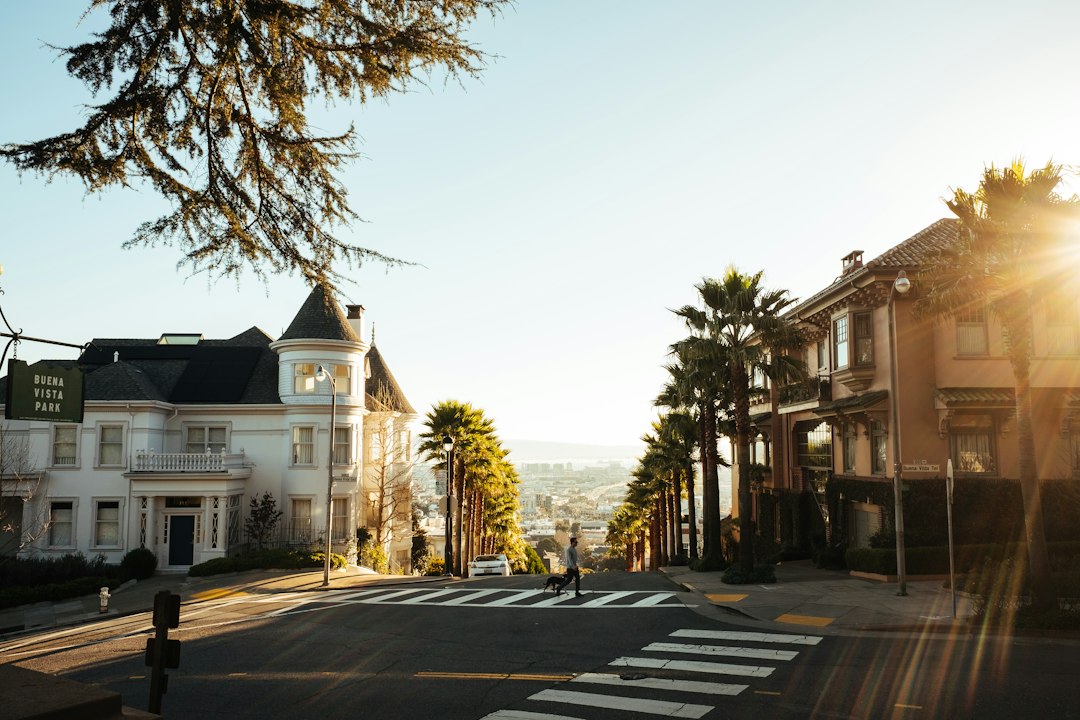
- Paved Pathways and Crosswalks: The presence of well-maintained sidewalks, clearly marked crosswalks, and pedestrian-friendly street design are fundamental. These elements contribute not only to convenience but also to safety, encouraging more residents to choose walking as a primary mode of transportation for short distances.
- Lighting and Landscaping: Beyond basic functionality, the aesthetic appeal of pedestrian routes significantly impacts the user experience. Thoughtful lighting enhances safety and extends the usability of sidewalks into the evening hours, while strategic landscaping can improve air quality, reduce urban heat island effects, and contribute to a more pleasant visual environment.
- Accessibility Standards: True walkability incorporates universal design principles, ensuring that pathways are accessible to individuals of all mobility levels. This includes ramps, tactile paving, and minimizing obstacles, creating an inclusive urban landscape.
Proximity to Amenities: The Heart of Convenience
The essence of walkable luxury lies in the dense clustering of essential and desirable amenities within an easily traversable radius. Imagine a compass, with your residence at its center; the points it touches within a 15-minute walk define the convenience.
- Dining and Entertainment: A rich tapestry of culinary options, from causal eateries to upscale restaurants, positioned within walking distance, transforms dining from an outing into an integrated part of daily life. Similarly, access to theaters, galleries, and live music venues eliminates the logistical challenges often associated with evening entertainment.
- Retail and Services: The ability to conduct daily errands – grocery shopping, pharmaceutical needs, personal care services – without the necessity of a car is a hallmark of this lifestyle. The presence of diverse retail establishments caters to both practical needs and leisure pursuits.
- Public Transportation Integration: While walking is prioritized, excellent access to public transportation complements this lifestyle, extending the reach of residents without necessitating car ownership. This integration solidifies the area’s claim to comprehensive urban convenience.
Architectural Harmonization: A Visual Symphony

The built environment plays a crucial role in establishing the character and perception of luxury. It is not just about individual structures, but about how these structures collectively create a cohesive and appealing urban fabric.
Residential Typologies: Form Meets Function
The variety and quality of residential buildings within this area contribute significantly to its appeal, offering a range of choices that nevertheless adhere to an underlying standard of quality and design.
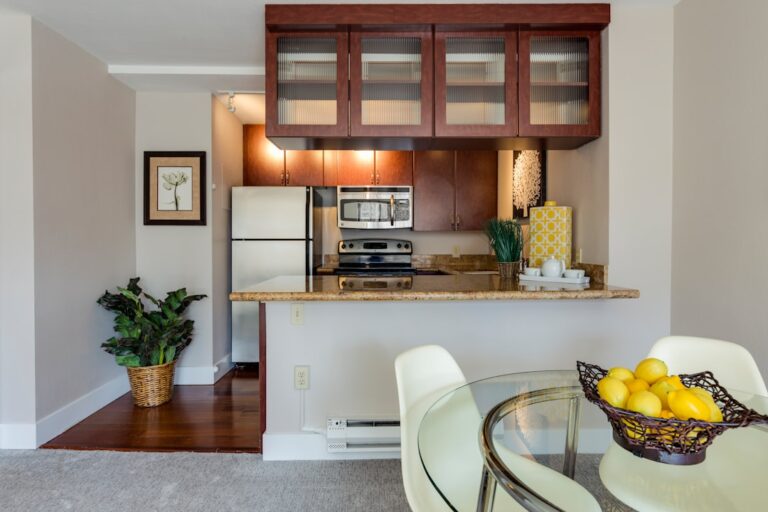
- Condominiums and Apartments: Expect to find a prevalence of multi-unit residential buildings. These often feature contemporary designs, incorporating balconies, large windows, and communal amenities such as fitness centers, rooftop lounges, and concierge services. The density of these structures supports the localized commercial activity.
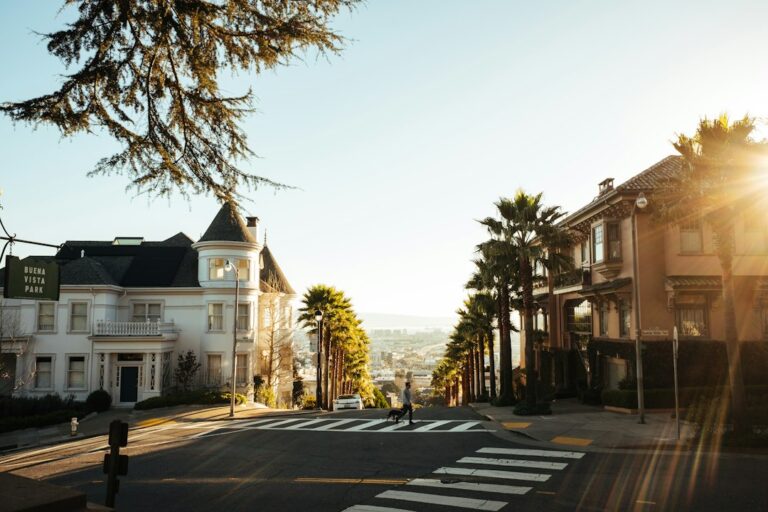
- Architectural Diversity within Cohesion: While individual buildings may showcase distinct architectural styles, from modern minimalist to more traditional expressions, there is often an overarching design philosophy that ensures visual harmony. Materials, color palettes, and scale are frequently considered to prevent jarring contrasts and maintain an aesthetically pleasing streetscape.
- Sustainability and Smart Design: Many newer developments, and even renovated older buildings, incorporate sustainable design principles. This can include energy-efficient appliances, green building materials, and smart home technologies, appealing to environmentally conscious and technologically savvy residents.
Public Spaces and Streetscapes: The Stage for Urban Life
Beyond the private residences, the public realm – the streets, plazas, and open spaces – profoundly influences the quality of life and the perception of luxury. These are the stages upon which urban life unfolds.
- Pristine Streetscapes: The area typically exhibits a high standard of street maintenance and cleanliness. Litter control, well-tended landscaping, and functioning street furniture contribute to an environment that feels cared for and respected.
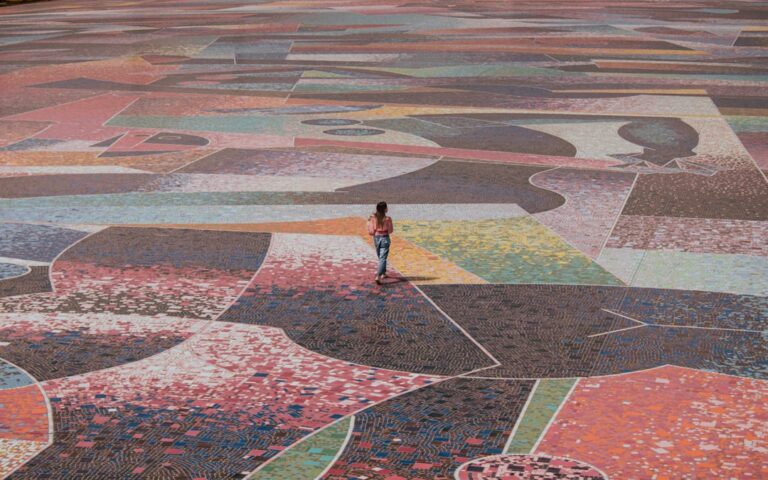
- Art and Public Installations: The integration of public art and thoughtfully designed installations can elevate a streetscape from merely functional to genuinely inspiring. These elements provide visual interest, foster cultural engagement, and create unique identifiers for specific areas.
- Outdoor Seating and Gathering Places: The presence of public benches, café seating, and small plazas encourages residents and visitors to linger, observe, and interact, fostering a sense of community and animating the street life.
The Cultural Pulse: An Engaged Community
A truly luxurious urban environment offers more than just material comforts; it provides a rich cultural and social context that nurtures engagement and personal growth. The area at the intersection of Waterfront Park and the Funhouse Tattoo environs is no exception.
Art and Expression: A Dynamic Landscape
The presence of arts and cultural institutions, both formal and informal, breathes life into the neighborhood, providing avenues for creative expression and intellectual stimulation.
- Galleries and Studios: Beyond the commercial enterprises, look for smaller art galleries, independent studios, and performance spaces. These often serve as incubators for local talent and provide unique cultural experiences that are distinct from larger institutional offerings.
- Public Art Programs: Many cities implement programs to integrate art into public spaces. These can range from large-scale sculptures to murals and ephemeral installations, enriching the visual landscape and provoking thought.
- Live Performance Venues: Access to venues that host live music, theatrical performances, or spoken word events contributes significantly to the cultural vibrancy. This allows residents to easily participate in the local arts scene without the inconvenience of lengthy travel.
Community Engagement: Fostering Connections
A luxury lifestyle, particularly in an urban setting, benefits immensely from a strong sense of community. The ability to connect with like-minded individuals and participate in local initiatives is a significant draw.
- Local Events and Festivals: The consistent scheduling of community events, farmers’ markets, outdoor concerts, or themed festivals provides opportunities for residents to gather, interact, and celebrate local culture. These events often capitalize on the park’s open spaces.
- Community Organizations and Associations: The presence of active community groups or residents’ associations frequently indicates a vested interest in the betterment of the neighborhood. These organizations often play a pivotal role in advocating for local interests and organizing civic initiatives.
- The Unifying Effect of Funhouse Tattoo: Consider the establishment of Funhouse Tattoo not just as a commercial entity, but as a cultural marker. Tattoo studios, particularly those with a long-standing reputation, often become gathering points, fostering a subculture that contributes to the unique identity of an area. They attract a clientele that appreciates artistry and individuality, effectively adding another layer to the community’s diverse fabric.
The Lifestyle Proposition: A Seamless Existence
| Metric | Value | Description |
|---|---|---|
| Walkability Score | 92 | High walkability rating indicating easy access to amenities |
| Average Property Size | 2,500 sq ft | Typical size of luxury homes in the area |
| Proximity to Mizner Park | 0.3 miles | Distance from Waterford Bay residences to Mizner Park |
| Average Commute Time | 15 minutes | Average commute time to downtown Boca Raton |
| Number of Retail Outlets | 50+ | Retail shops and boutiques within Mizner Park |
| Waterfront Access | Yes | Availability of direct access to Waterford Bay |
| Community Amenities | 5 | Number of luxury amenities including pools, gyms, and parks |
| Average Home Price | 1,200,000 | Median price for homes in the Waterford Bay area |
Ultimately, the appeal of this particular intersection distills down to a comprehensive lifestyle proposition. It is a promise of efficiency, enjoyment, and enrichment, all within a remarkably compact geographical footprint.
Time as the Ultimate Luxury
In a world increasingly characterized by demands on personal time, the ability to reclaim hours typically lost to commuting and logistical challenges is an invaluable asset. Walkable luxury directly addresses this.
- Reduced Commute Times: For those working within the downtown core or nearby employment hubs, the location offers the potential for significantly reduced commute times, often allowing for walking or short public transport trips. This translates directly into more personal time.
- Effortless Errands: The proximity of retail and service providers means that daily errands become a matter of stepping out your door rather than embarking on a car journey. This seemingly small efficiency cumulatively adds significant time back into your day.
- Spontaneous Enjoyment: The ease of access to dining, entertainment, and recreational opportunities fosters spontaneity. The decision to attend a show, dine out, or simply take a stroll in the park becomes a matter of whim rather than complex planning.
A Holistic Well-being Model
Beyond the practicalities, the lifestyle offered here inherently promotes a more holistic approach to well-being, touching upon physical health, mental serenity, and social engagement.
- Physical Activity Integration: The walkable nature of the district naturally encourages increased physical activity. Daily walks to amenities, or purposeful strolls through Waterfront Park, are easily integrated into routine, contributing to physical fitness.
- Mental Clarity and Reduced Stress: The reduction in vehicular reliance and the seamless flow of daily life can contribute to a decrease in urban stress. The visual aesthetics, the presence of green space, and the ease of access to relaxation points all play a role in promoting mental well-being.
- Enhanced Social Interaction: The design of the public spaces, the clustering of amenities, and the vibrant local events all conspire to create more opportunities for social interaction and community engagement, combating potential urban isolation.
In conclusion, the area defined by the convergence of Waterfront Park and the environs of Funhouse Tattoo offers a compelling vision of contemporary urban luxury. It is a place where thoughtful urban planning, historical character, and a diverse range of amenities coalesce to create a highly desirable and exceptionally walkable lifestyle. It is not merely about residing in an expensive zip code, but about inhabiting an environment that actively enhances your quality of life through unparalleled convenience, aesthetic harmony, and a vibrant community pulse.