

Sometimes a move has to happen quickly. A 48-hour plan may help organize the work, but feasibility depends on distance, access, transportation, utilities, the condition of both homes, and the people involved. Confirm that the new home is ready before relying on this timeline.
Here is how to plan a fast move, in the order the work actually happens.
Before the clock starts
Get rid of things first. Every item you decide not to take is one you do not pack, carry, or unpack. Be decisive: if you would not buy it again, it does not need to move with you. Set aside a donation pile and a disposal pile, and deal with both before packing begins.
Make a rough inventory. Not an itemized list, just a room-by-room sense of what is going and how much there is. This is what tells you whether you need a van or a car, and whether you need help.
Make the calls early. Notify your current landlord, arrange utilities to stop at the old address and start at the new one, set up mail forwarding, and book any transport or help. These steps may have lead times outside your control, so address them early and keep a backup plan.
Buy supplies in one trip. Boxes, tape, a marker, and something for padding. Running out mid-pack costs more time than over-buying.
Day one: pack and leave
Pack the first-night box before anything else. Toiletries, a change of clothes, medication, phone chargers, important documents, and something to eat. Put it somewhere it cannot get buried, and load it last so it comes off first.
Then work through the rest, starting with what you use least. Label every box with its contents and the room it belongs in. Writing on the side rather than the top means you can still read it when boxes are stacked, which sounds trivial and is not.
For furniture you take apart, put the screws in a bag and tape the bag to the piece it belongs to. Labeling the hardware can make reassembly easier.
Before you leave, walk the old place properly. Check every cabinet, drawer, and the back of every closet. Follow the lease and the property’s move-out process, and keep dated condition records if permitted. Those records may help with later questions but do not guarantee a deposit outcome.
Day two: arrive and set up
Unload boxes straight into the rooms they belong in. Sending boxes directly to their destination rooms can reduce extra handling.
Check the utilities are on and the internet works before you get absorbed in unpacking. If something is wrong, you want to know while there is still a working day left to sort it out.
Then assemble the bed. Not the bookshelf, not the desk. Whatever else remains in boxes, ending day two with somewhere proper to sleep is what makes the following morning manageable.
Photograph the new home’s condition before you fill it, including anything already marked or damaged, and submit whatever condition report the community uses.
Resist unpacking everything. Get the bathroom and the kitchen functional, and leave the rest for the week ahead.
Moving with a pet
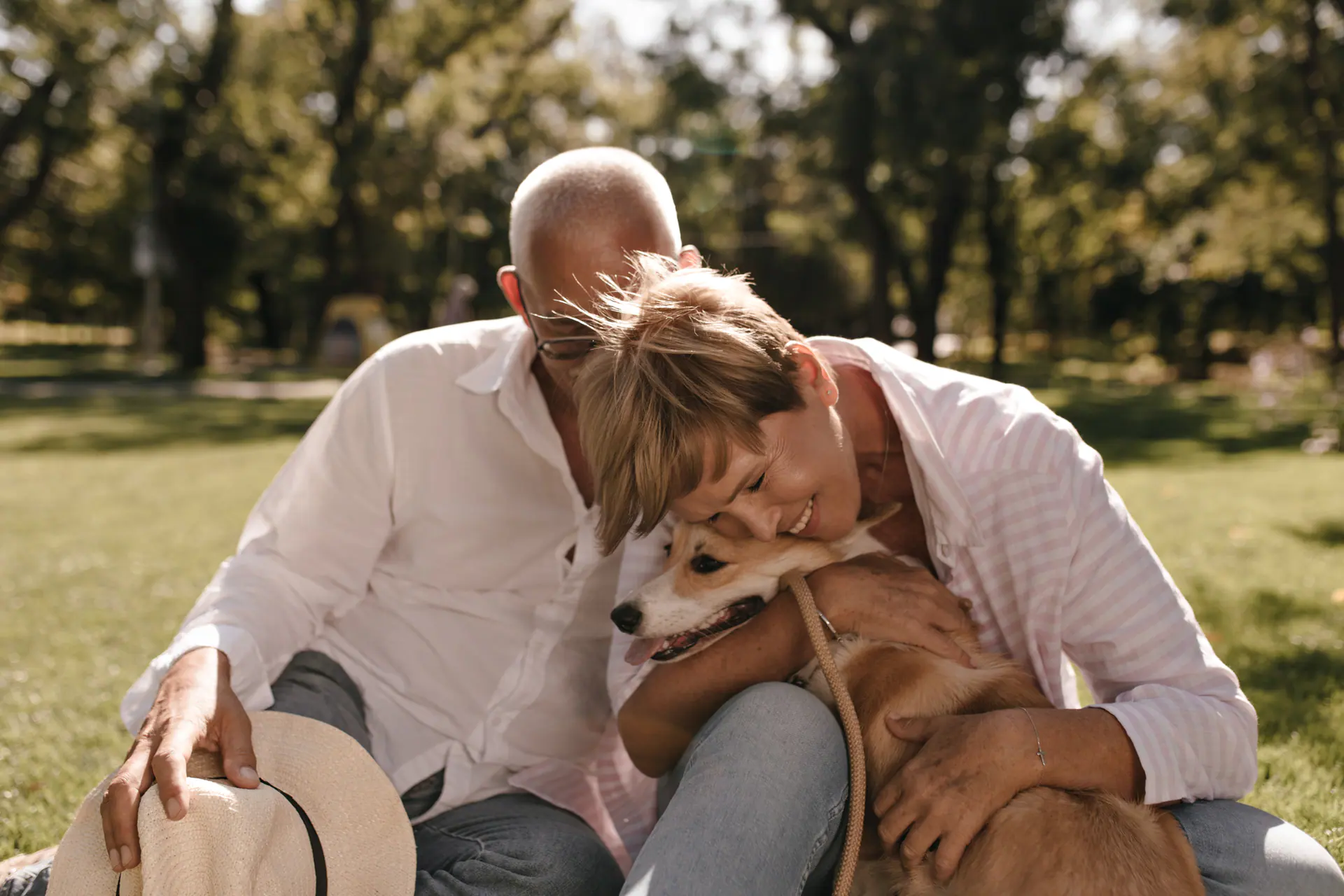
A fast move is harder on animals than on people, because nothing about it is explicable to them. Keep your pet’s essentials with the first-night box rather than in the van: food, bowls, bedding, litter, medication, and a favorite toy.
On moving day, keep them in one closed room with their things while doors are propped open, or with someone else entirely if you can manage it. Open doors and moving activity can create escape opportunities.
Check that identification tags and any microchip details are current before you move, not after. On arrival, set up their space first and let them explore at their own pace, and keep feeding and walking times as close to normal as you can through the first week.
If your new community requires pet approval, complete it in advance rather than arriving with an unapproved animal.
The week after
Unpack one room at a time, starting with the kitchen and bathroom. Break down and dispose of packing materials as you go, or they will occupy the apartment longer than the boxes did.
Update your address with banks, employers, and anyone else who sends you anything that matters. If you have moved from another state, check the current requirements for a driver’s license and vehicle registration.
Keeping it survivable
Moving can be physically demanding. Plan food, water, medication, rest, and appropriate help around your own health needs and professional guidance.
Consider a contingency budget and an alternative if transportation changes or the new home is not ready. The amount and plan depend on your circumstances.
If Waterford Bay is the destination
Waterford Bay is at 200 NE 20th Street in Boca Raton, with one-bedroom homes of about 713 sq. ft. and two-bedroom homes of about 855 sq. ft. Furnished and unfurnished options may be available and can vary, which is worth asking about if you are moving quickly and would rather not arrive ahead of your furniture.
The community is pet-friendly under the current policy, and pet approval is required before move-in, so raise that early if you are bringing an animal.
You can message the leasing team about move-in timing and what is available, view floor plans, or start an application when you are ready. A tour request is not confirmed until the leasing team follows up, and availability can change.
FAQs
What should I pack first?
A first-night box: toiletries, a change of clothes, medication, chargers, documents, and something to eat. Load it last so it comes off the van first.
What should I do before leaving the old place?
Check every cabinet and drawer, complete any cleaning your lease requires, and photograph the empty home. Those records may help document condition, but deposit handling depends on the lease, documented facts, and applicable requirements.
What matters most on arrival?
Confirm the utilities and internet work, photograph the home’s condition, and assemble the bed. Everything else can wait until the week after.
How do I move with a pet at short notice?
Keep essential pet supplies accessible, use a closed room or caregiver if appropriate for that animal while doors are open, check identification details, and confirm any pet-approval process with the community in advance. Ask a veterinarian about individual needs.