

Living with a pet in an apartment is mostly a question of small daily logistics: where they go outside, how they handle being alone, and whether your home works for an animal that cannot let itself out.
A screened patio may affect how a household uses its apartment, but its suitability depends on the individual pet, the patio’s condition, weather, and supervision.
Here is how to make the most of one, how to pet-proof a rental, and what a Florida summer asks of you as an owner.
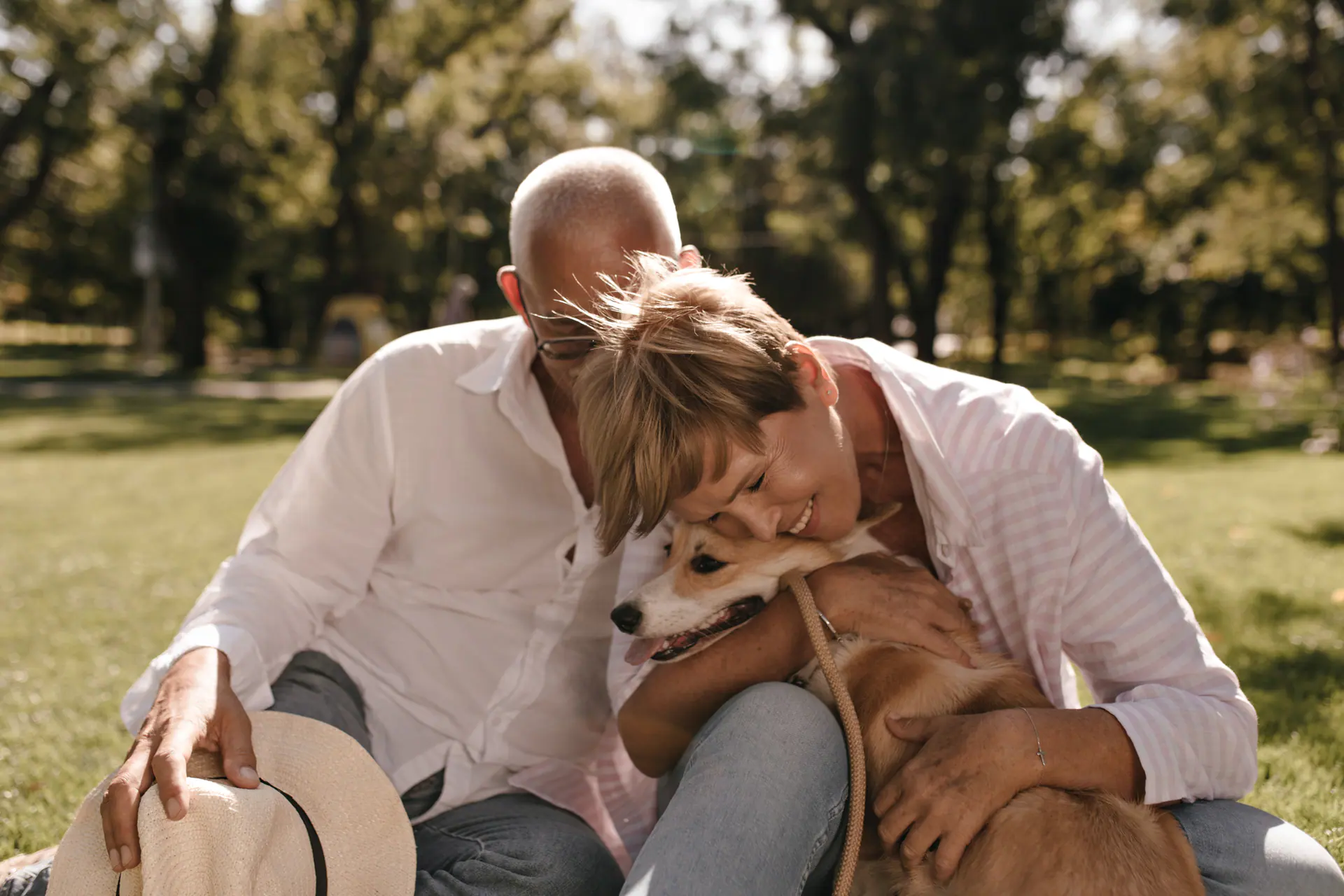

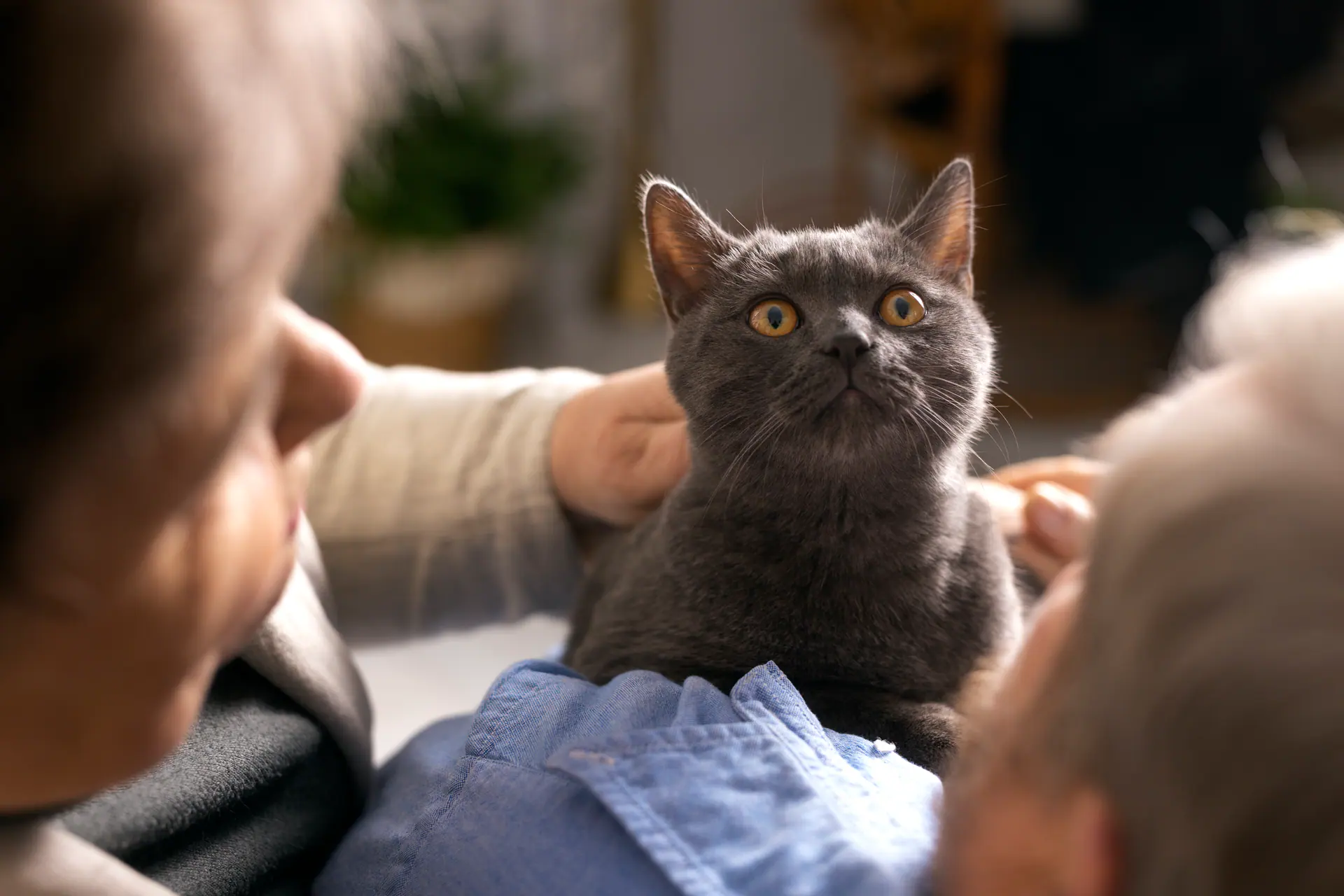
Key Takeaways
- A screened patio can provide an outdoor-adjacent place to sit with a pet, but a screen is not a safety enclosure or a guarantee against escape, injury, insects, or heat.
- It supplements walks rather than replacing them, and pets should not be left out there unattended.
- Pet-proofing a rental is mostly about cords, gaps, toxic plants, and door discipline.
- Heat and surface conditions can affect pets differently. Ask a veterinarian about appropriate precautions for your animal and current conditions.
- Waterford Bay homes include screened patios, and the community is pet-friendly under the current policy.
Why a screened patio works well for pets
A screened patio can offer outdoor air, light, and visual activity while a pet is supervised. It should not be treated as escape-proof or compared as categorically safer than another outdoor setting; inspect the specific space and consider the animal’s needs.
Screening may reduce some insects, while shade varies with the patio roof, orientation, season, and time of day. Check the actual patio rather than assuming either condition.
A patio does not necessarily meet a pet’s exercise or enrichment needs. Ask a veterinarian what is appropriate for your animal, supervise patio use, and consider current weather and the condition of the space.
Pet-proofing a rental
Before a pet arrives, review the home and ask the leasing or maintenance team about any condition that concerns you:
- Secure or conceal loose cables and phone chargers if your pet is likely to chew them.
- Check the patio screen for gaps or tears, and report any damage to maintenance rather than patching it yourself.
- Look for gaps under railings or around door frames that a small animal could get through.
- Keep houseplants that are toxic to cats or dogs out of the home entirely, rather than merely out of reach.
- Consider removable rugs or runners if your pet has difficulty with a hard floor, subject to the lease and veterinary guidance.
- Agree how everyone in the household will manage doors, especially during deliveries or moves when an escape opportunity may arise.
Living well alongside neighbors
Apartment living places pets near shared spaces and neighboring homes. Noise and use of common areas are two topics worth planning for.
If your dog barks when left alone, ask a veterinarian or qualified trainer for guidance suited to that animal. Changes to routines or the patio view may or may not help, so avoid treating general tips as a guaranteed result.
In shared areas, keep pets leashed and under control, clean up straight away, and give neighbors room in corridors and stairwells. Not everyone is comfortable around animals, and a little space costs you nothing.
A Florida summer, from a pet’s point of view
Heat, humidity, and surface temperature vary by time and location, and animals respond differently. Ask your veterinarian how to assess walking conditions for your pet rather than relying on a single informal test.
Plan walks around current weather and your veterinarian’s guidance, carry water when appropriate, and learn the signs for which your veterinarian recommends prompt care. Avoid leaving an animal unattended in a parked vehicle.
Storm season is worth planning for too. Keep your pet’s identification and vaccination records somewhere you can grab quickly, make sure tags and any microchip details are current, and keep a few days of food and medication on hand. If you would need to leave, know in advance where your pet could go.
Settling in locally
Register with a veterinary practice before you need one, and find out where the nearest emergency clinic is and what hours it keeps. That is a ten-minute task that is miserable to do in an actual emergency.
Beyond that, work out your routine: where you will walk, which green spaces are open to dogs and under what rules, and whether you will need a walker or sitter on long days. Confirm the current rules and hours for any park you plan to use regularly, as these change from time to time.


Pets and screened patios at Waterford Bay
Waterford Bay homes in Boca Raton include screened patios, and the community is pet-friendly. Under the current policy, up to two approved pets are welcome per home, and cats, dogs, or a combination may be approved.
Pet screening, one-time fees, monthly pet rent, and size, type, or breed guidelines may apply. Assistance-animal requests are handled separately in accordance with applicable requirements. Because these details can change, the leasing team confirms current requirements and exact amounts before you apply.
You can read the full pet policy, view floor plans for the one- and two-bedroom layouts, or request a tour to see a screened patio in person. A tour request is not confirmed until the leasing team follows up with you.
FAQs
Can a pet be left unattended on a screened patio?
A screen does not establish that a patio is safe, escape-proof, or suitable for unattended use. Supervise the pet, inspect the specific space, consider current weather and the animal’s needs, and report screen damage to maintenance.
Does Waterford Bay allow pets?
Yes. Up to two approved pets per home under the current policy, with screening, fees, monthly pet rent, and size, type, or breed guidelines that may apply. Confirm the current requirements with the leasing team.
What should I ask about before applying with a pet?
How many pets are permitted, any size, type, or breed guidelines, what documentation is required, the total pet charges, and which shared areas are open to pets.
How do I stop my dog barking while I am out?
Build up alone time gradually, leave something to occupy them, and limit what they can see and react to from the patio. If it persists, a trainer or your vet is a better source than guesswork.
What about assistance animals?
Assistance-animal requests are handled separately from pet policies, in accordance with applicable requirements. Raise it with the leasing team directly so it goes through the right process.