
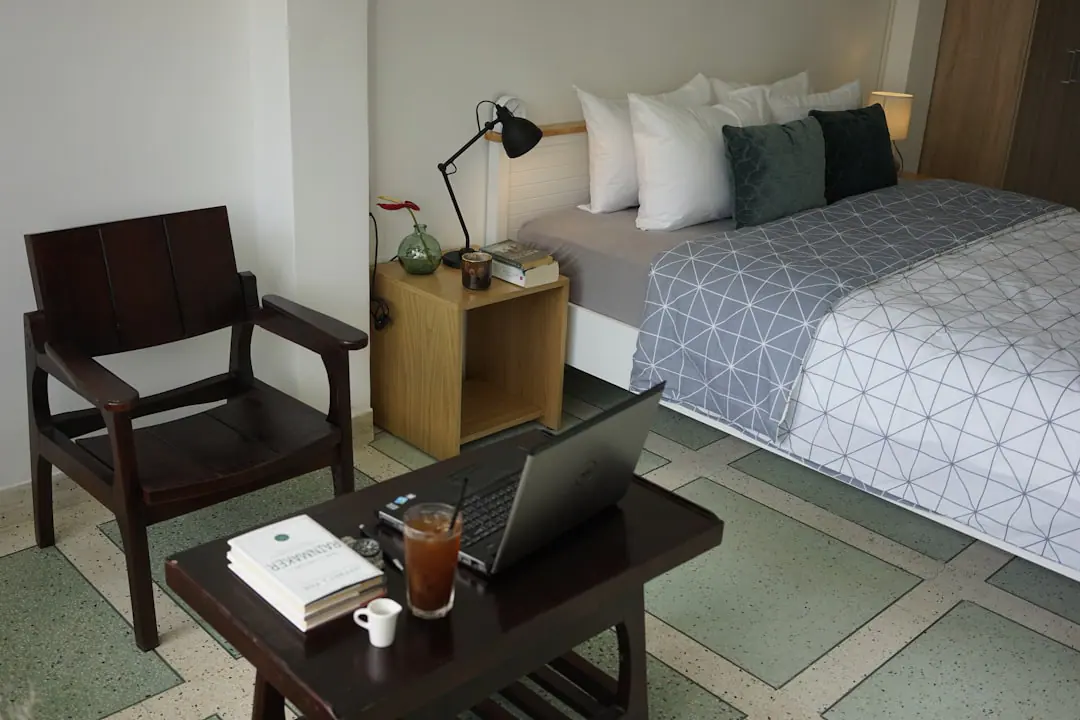
An academic calendar and a standard apartment lease do not always line up. If your schedule follows a term-based year, compare lease lengths, total costs, and application requirements before you choose a home.
The mismatch is manageable when you ask about the terms early rather than waiting until signing.
Here is what to sort out before you commit.
Key Takeaways
- Academic years and lease terms rarely line up. Ask what term lengths are available before you choose a home.
- Decide in advance what happens over the summer, whether you keep the home or need to leave.
- If you have limited income history, ask early what the community accepts, such as a guarantor or co-signer.
- Check the campus commute from the specific address, at the times you would actually travel.
- Get the total monthly cost, not just rent: utilities, parking, laundry, and any pet charges.
The calendar problem
Apartment lease terms and academic calendars may cover different periods. Identify any gap before you sign, when you can still compare your options clearly.
Ask directly what lease lengths a community offers, and what each one costs. Shorter terms are sometimes available and are sometimes priced differently from a standard year. Do not assume a nine- or ten-month option exists, and do not assume it does not.
Then decide what you actually want. Keeping a home over the summer costs money but saves you moving twice and hunting again in August. Giving it up saves rent but puts you back in the market at the busiest time of year. Either can be right; drifting into one by accident usually is not.
What you will need to apply
Applications generally ask for identification, some form of income or financial verification, and an application fee. If you have limited income history, financial verification is the item to raise early.
Many communities have a process for this, often involving a guarantor or co-signer, but the requirements differ and you should not assume. Ask what the community accepts, what documentation the guarantor needs to provide, and how long approval usually takes. Sorting this out before you find a home you like is far less stressful than doing it under time pressure.
Furnished, or bring your own
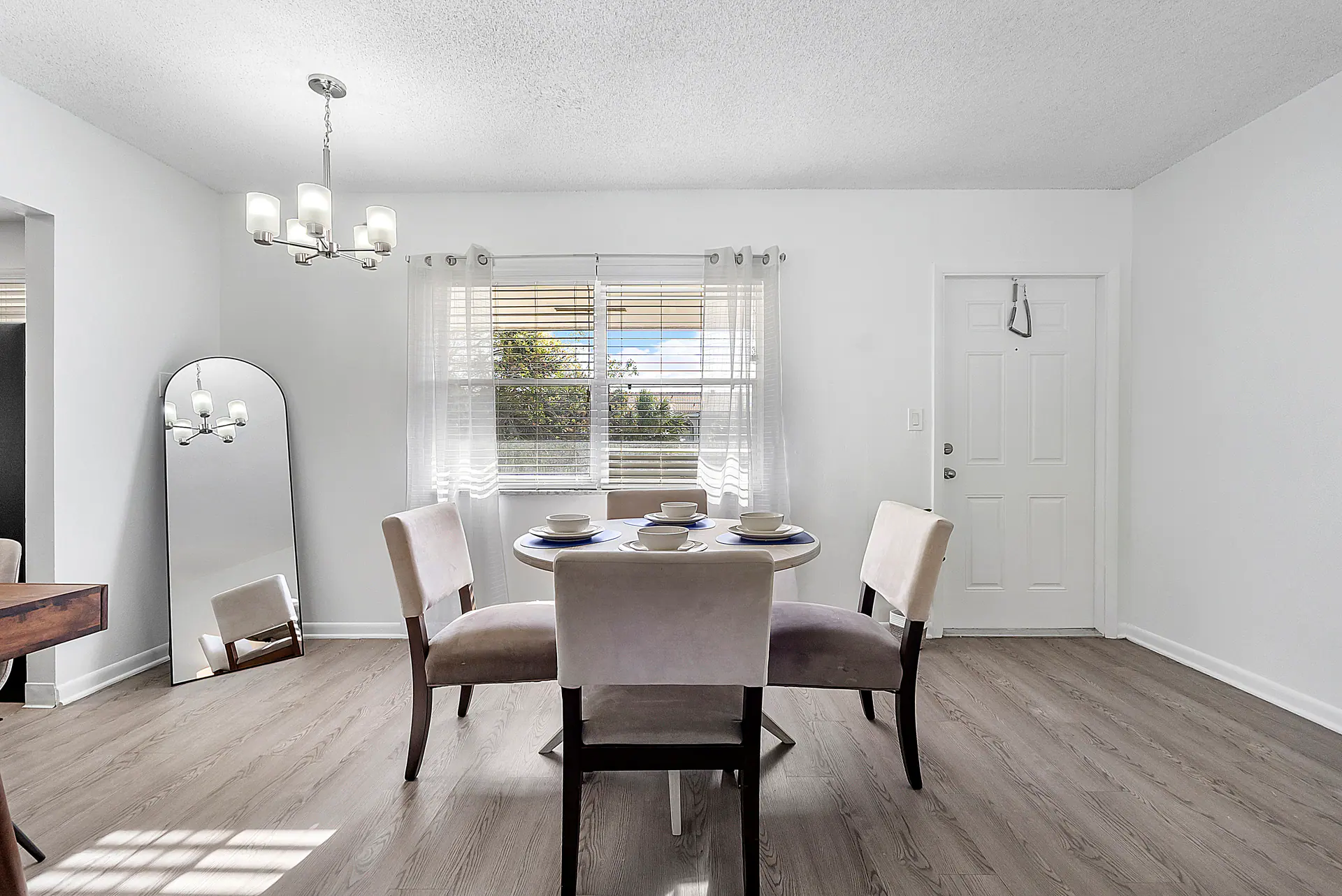
Furnished is genuinely useful if you are arriving from out of state or staying for a defined period, because it removes a large upfront cost and a lot of logistics. Over several years it tends to be the more expensive option.
If a furnished home is on your list, ask for two things: a written inventory of what is included, and the price of the same layout unfurnished. That comparison usually makes the decision obvious.
Getting to campus
Do not take a listing’s word for how close anything is. Take the specific address and check the trip yourself, at the times you would actually make it. Campus traffic varies by hour and by term, and a route that is quick in July may not be in October.
If you plan to cycle, check the route and ask where you would store a bike. If you plan to drive, ask about resident parking at the community and about permits on campus, which are a separate matter entirely. If you intend to rely on transit, check current routes and timetables for that address rather than assuming coverage.
Questions worth asking
- What lease terms are available, and how does the price differ between them?
- Which utilities are included, and which do I set up myself?
- Is laundry in the home or shared on site, and what does it cost?
- How does resident parking work, and is there a charge?
- What is the policy if I need to leave early, or want to sublet?
- If I am applying with a roommate, how is the lease structured?
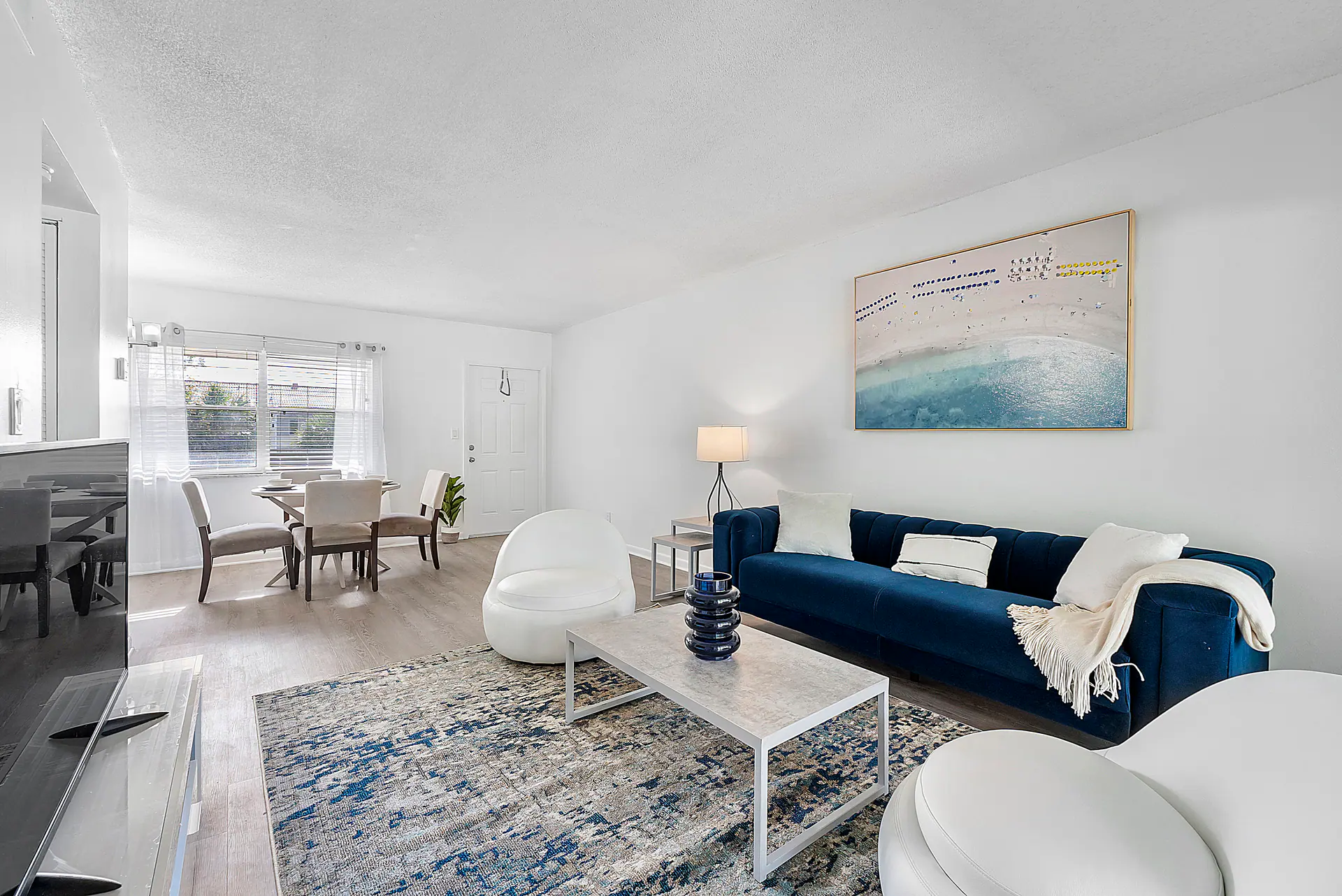
Waterford Bay
Waterford Bay is at 200 NE 20th Street in Boca Raton, with one-bedroom homes of about 713 sq. ft. and two-bedroom homes of about 855 sq. ft. The two-bedroom is a two-bedroom, one-bathroom plan, which is worth knowing if you are sharing.
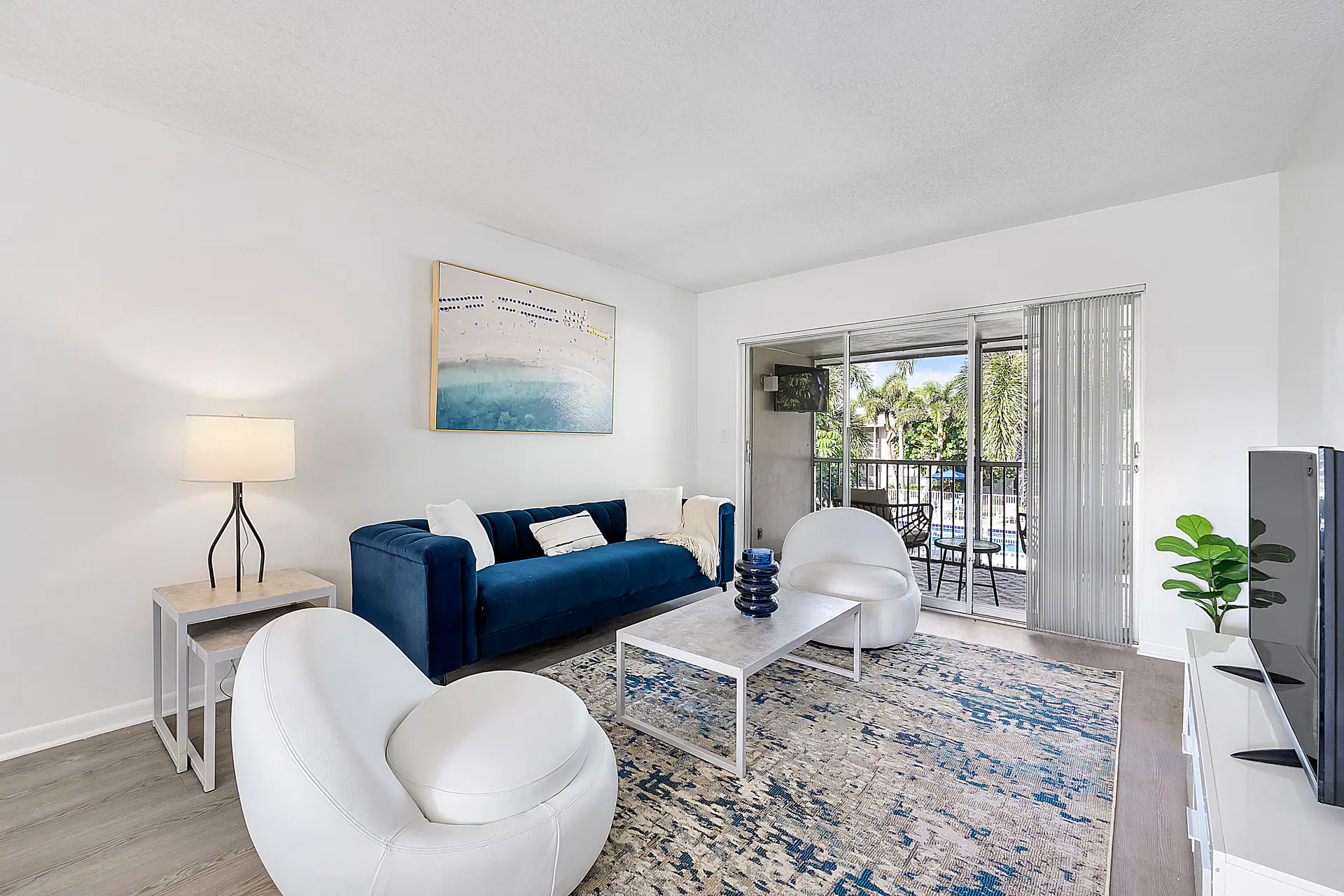
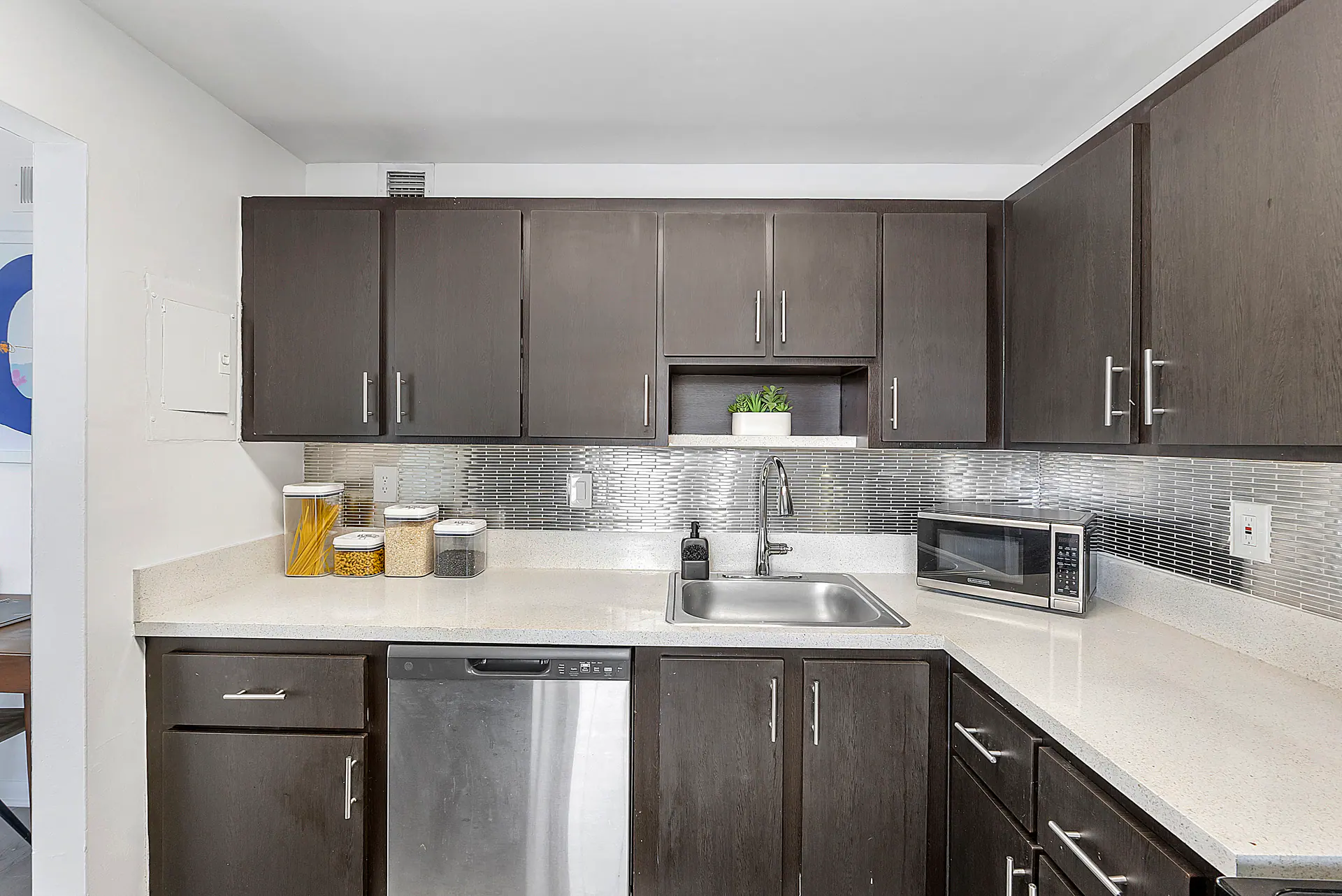
On-site amenities include a pool, a fitness center, on-site laundry, screened patios, and shared outdoor space. The community is pet-friendly under the current policy, and furnished or unfurnished options may be available depending on what is open.
Lease terms, current pricing, and what is available are all questions for the leasing team, and the answers change through the year.
You can message the leasing team about lease lengths and application requirements, view floor plans, or request a tour. A tour request is not confirmed until the leasing team follows up, and a tour does not hold a home.
FAQs
Are short-term or academic-year leases available?
Term availability varies by community and by time of year, and shorter terms are not always offered or priced the same as a standard lease. Ask the leasing team what is currently available.
Can I apply without an employment history?
Communities differ in what they accept, and many have a process involving a guarantor or co-signer. Ask what documentation is required before you apply so there are no surprises.
What does a furnished apartment include?
There is no standard, so ask for the inventory in writing. Expect the basics and confirm anything beyond that, including cookware, linens, and appliances.
How do I check the commute to campus?
Check the specific address rather than the general area, and test it at the times you would travel. Ask separately about resident parking at the community and about campus permits.
What if I need to leave before the lease ends?
Ask about this before you sign rather than after. Early-termination and subletting rules are set out in the lease, and they vary between communities.