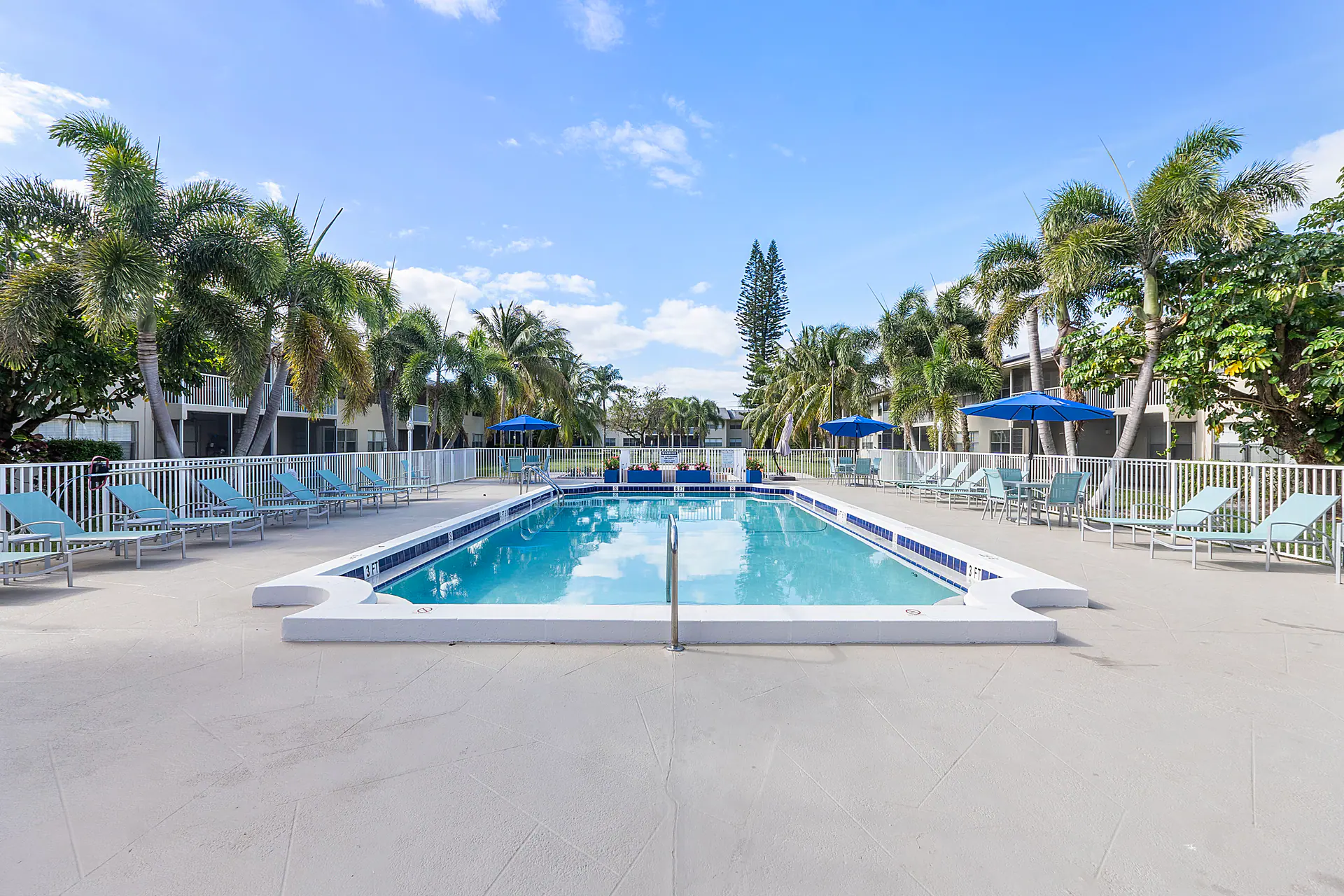
Photo Waterford Bay

The Evolution of Waterford Bay: From Premium Student Housing to All-Access Community

Waterford Bay, a prominent residential development on the San Diego waterfront, has undergone a significant transformation in its operational model and community ethos. Initially conceived and marketed as premium student housing, its evolution has repositioned it as an all-access community, catering to a broader demographic and fostering a more inclusive living environment. This shift reflects a strategic response to market dynamics, evolving resident needs, and a desire to maximize the utilization and appeal of its prime location.

The inception of Waterford Bay was rooted in a specific market demand: the need for high-quality, amenity-rich housing options for students attending San Diego’s numerous educational institutions. The developers identified a gap in the market for student accommodations that offered more than just basic shelter, aiming to provide a lifestyle experience that would attract and retain students seeking comfort, convenience, and a sense of community within their academic journey.

Identifying a Market Niche

At the time of its conceptualization, the student housing sector in San Diego, while present, often presented a dichotomy. On one end were older, often more dilapidated properties with limited amenities, and on the other, limited options for truly integrated living environments. Waterford Bay was designed to occupy this underserved space, offering a premium product that justified its positioning. The vision was to create a residential hub that facilitated academic success through comfortable living and convenient access to campus resources.

Architectural and Amenity Design for Students

The architectural design and amenity package were meticulously curated to appeal to the student demographic. This included features such as study lounges, high-speed internet infrastructure, communal gathering spaces, and on-site laundry facilities. The floor plans were often designed with shared living in mind, promoting a collaborative environment. Security was another paramount consideration, with controlled access points and on-site management to ensure a safe and secure living experience for young adults away from home.

Proximity to Educational Institutions

A key element of the Waterford Bay’s initial strategy was its proximity to major universities and colleges. This strategic placement was not incidental but a cornerstone of its value proposition, drastically reducing commute times for students and integrating them more seamlessly into the academic fabric of the city. The accessibility was a tangible benefit that directly addressed a primary concern for both students and their parents.

The Pivot: Recognizing Shifting Demographics and Market Opportunities

As the development matured, a reassessment of its market position and potential began. The initial success in attracting students, while undeniable, also highlighted a broader appeal of the location and its amenities to other resident segments. This realization marked the beginning of a strategic pivot, recognizing that the “premium student housing” label, while accurate, might also be a limiting factor in maximizing occupancy and revenue.

Beyond the Dormitory Model

The term “student housing” can sometimes evoke imagery of transient living and basic accommodations. Waterford Bay, from its inception, aimed for something more sophisticated. However, the market began to demonstrate a demand for this level of quality and amenity from individuals and families beyond the immediate student population. This was a signal that the development’s offerings were not exclusively tied to an academic demographic.

The Water’s Edge Advantage

The prime waterfront location of Waterford Bay continuously exerted an influence. This desirable address is an asset that transcends specific demographic groups. The allure of living near the water, with its associated views and recreational opportunities, proved to be a powerful draw for a wider range of potential residents who valued lifestyle and location. The development was, in essence, a gem with untapped facets beyond its initial intended purpose.

Economic and Social Trends

Broader economic and social trends also played a role. The cost of living, the increase in remote work, and a growing desire for community-oriented living spaces contributed to a demand for well-appointed, centrally located residences. Waterford Bay, with its existing infrastructure and amenities, was well-positioned to capture this evolving market.

The Transformation: From Exclusive Student Domain to Inclusive Residential Hub

Photo Boca Raton Neighborhoods

The transition from a specialized student housing operation to an all-access community involved a comprehensive reevaluation of marketing, leasing strategies, and the very definition of community within the development. This was not merely a cosmetic change but a fundamental shift in operational philosophy.

Marketing and Outreach Diversification

The marketing efforts for Waterford Bay evolved significantly. Instead of solely targeting students and their families, the messaging broadened to encompass young professionals, couples, and individuals seeking a vibrant urban lifestyle. The emphasis shifted from academic convenience to lifestyle amenities, locational advantages, and the quality of life offered. This involved a sophisticated outreach program across various media channels, reflecting a diverse target audience.

Leasing Policies and Demographics

Leasing policies were adapted to accommodate a wider range of applicants. This might have included adjustments to lease terms, guarantor requirements, and the types of contracts offered. The objective was to encourage longer tenancies and attract residents who were invested in the community for the long term, rather than a single academic year. This broadened demographic mix brought a richer tapestry of experiences and perspectives to the property.

Revitalizing Common Spaces

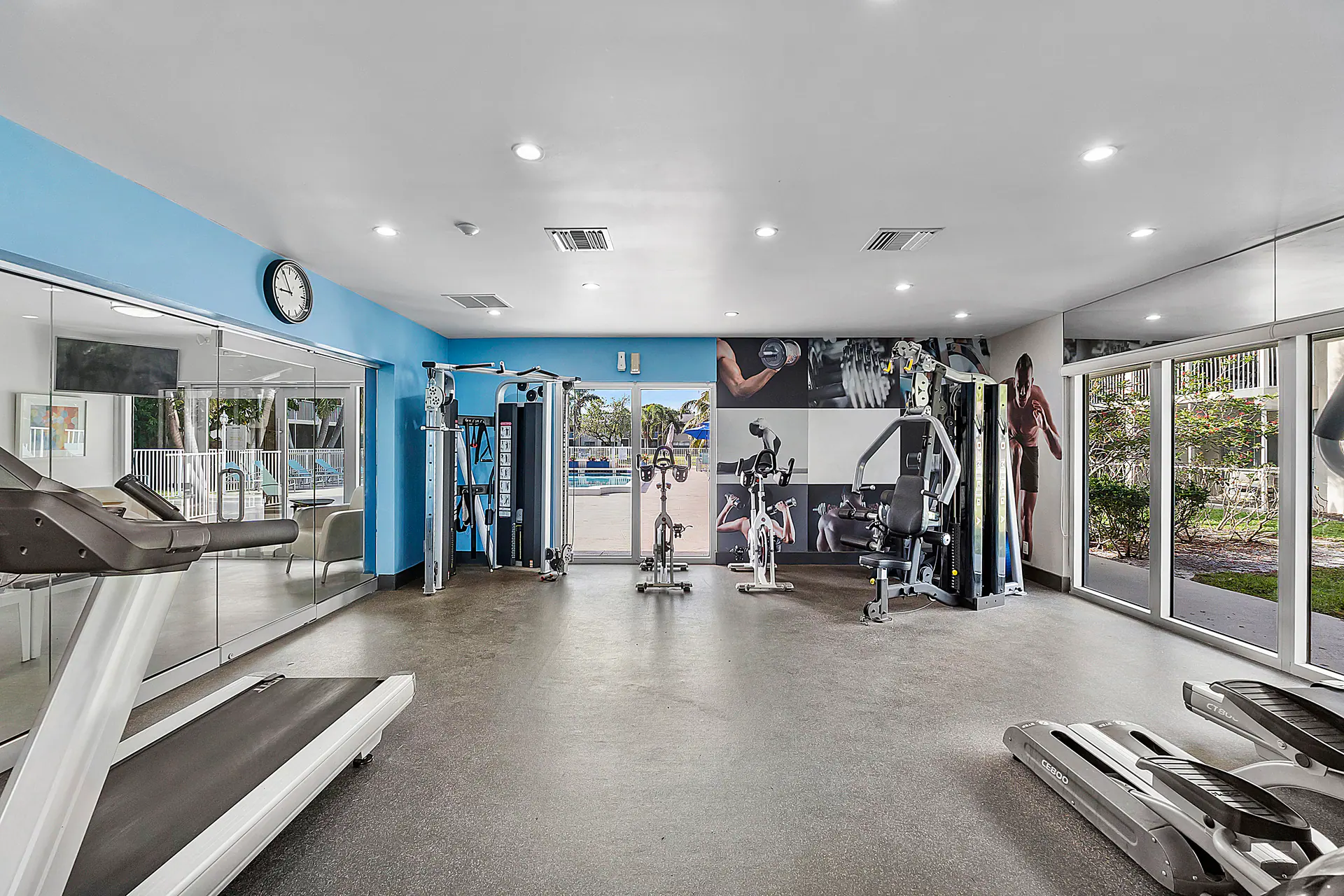
The common areas, initially designed with students in mind, were re-envisioned to appeal to a broader audience. This could have involved upgrades to fitness centers, the introduction of co-working spaces, enhanced social lounges, or the creation of more adaptable multi-use areas. The goal was to transform these spaces into vibrant hubs that fostered intergenerational interaction and diverse activities.

The All-Access Community: Fostering Connection and Belonging

2

The success of Waterford Bay’s evolution lies in its ability to create a genuine sense of belonging for all its residents. This is achieved through intentional programming, community-building initiatives, and a responsive management approach that recognizes the diverse needs of its inhabitants. It’s akin to opening a finely tuned instrument to a wider orchestra, allowing for richer and more varied harmonies.

Curated Community Events and Programming

A cornerstone of the all-access community model is the implementation of a diverse calendar of events. These events are designed to cater to a wide array of interests and age groups, from fitness classes and wellness workshops to social mixers, movie nights, and local artist showcases. The aim is to provide opportunities for residents to connect with each other organically, fostering friendships and a shared sense of place.

Resident Advisory and Feedback Mechanisms

Effective communication and responsiveness are crucial for any community. Waterford Bay has likely implemented robust systems for gathering resident feedback, such as regular surveys, suggestion boxes, and dedicated channels for communication with management. This proactive approach ensures that resident concerns are addressed and that the community evolves in line with the needs and desires of its inhabitants.

Encouraging Intergenerational Interaction

The shift to an all-access community inherently brings together residents from different life stages. The development’s design and programming can actively encourage interaction between these groups, creating a dynamic and enriching environment. This might involve shared amenities that appeal to multiple age groups or events that bridge generational divides, fostering mutual understanding and respect.

The Role of Management as Facilitators

The management team plays a crucial role as facilitators of this inclusive environment. Their responsibilities extend beyond property maintenance to actively cultivating a positive community atmosphere. This involves being approachable, understanding resident needs, and proactively addressing any issues that could detract from the overall living experience. They are the conductors, ensuring the diverse instruments play in harmony.

The Future Outlook: Sustaining a Vibrant and Evolving Community


Year Phase Occupancy Rate (%) Average Rent (per month) Community Features Added Resident Satisfaction (%)
2010 Premium Student Housing 95 850 Study Lounges, Gym 88
2015 Transition Phase 90 900 Community Events, Co-working Spaces 85
2020 All-Access Community Launch 98 950 Retail Shops, Childcare, Fitness Center 92
2023 Established All-Access Community 97 980 Community Garden, Event Spaces, Public Transport Access 94

The journey of Waterford Bay from premium student housing to an all-access community is not an endpoint but an ongoing process of adaptation and growth. The development’s ability to remain relevant and appealing will depend on its continued commitment to its residents and its capacity to anticipate and respond to future market shifts and community needs.

Embracing Technology for Enhanced Living

Technology will undoubtedly play an increasingly vital role in the future of Waterford Bay. This could include smart home features, integrated community apps for communication and event scheduling, enhanced digital security systems, and efficient property management software. Leveraging technology can streamline operations and elevate the resident experience, making the community more connected and responsive.

Sustainability and Environmental Responsibility

In an era of increasing environmental awareness, a commitment to sustainability will be paramount. This could involve initiatives such as energy-efficient building materials, waste reduction programs, water conservation efforts, and the promotion of eco-friendly transportation options. Demonstrating a dedication to environmental responsibility will resonate with a broad spectrum of residents and contribute to the long-term vitality of the development.

Adaptability to Future Market Demands

The real estate market is in constant flux. Waterford Bay’s future success will hinge on its ability to remain agile and adaptable to emerging trends and demands. This might involve reconfiguring unit layouts, introducing new amenity offerings, or even exploring partnerships that further enhance the resident experience and the community’s appeal. The development must be a living entity, capable of evolving with the times.

Maintaining the Waterfront Premium

The inherent advantage of Waterford Bay’s waterfront location will continue to be a significant factor in its appeal. Ensuring that this premium is not only maintained but enhanced through thoughtful development and community programming will be crucial. The vision of luxurious, convenient, and community-driven living on the San Diego waterfront remains a powerful draw, and perpetuating this image will be key to sustained success.

Similar Posts